A History Of Rabbit’s Motel

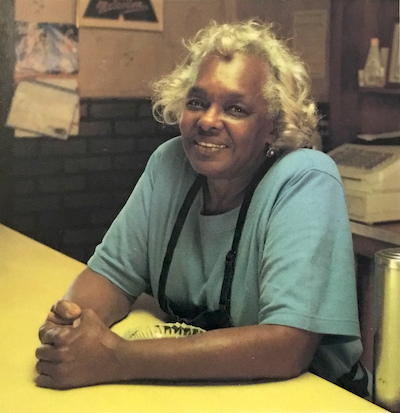
In 1968, Rabbit’s Cafe’ was inherited by Lou Ella Byrd, the wife of Fred Simpson’s nephew, after relocating to Asheville with her family and established life in New York City, to keep Rabbit’s running and in the family. The motel business suffered ironically due to the economic shifts of integration’s impact to minority businesses. But throughout the 60’s, 70’s, 80’s and 90’s Rabbit’s Cafe’ operated as a town favorite soul food joint with home cooked cornbread, chitlins, always fresh vegetables, “pork chops the size of bibles” and a vinyl R&B jukebox. It was beloved by a cross-section of Asheville’s communities up to 2003.
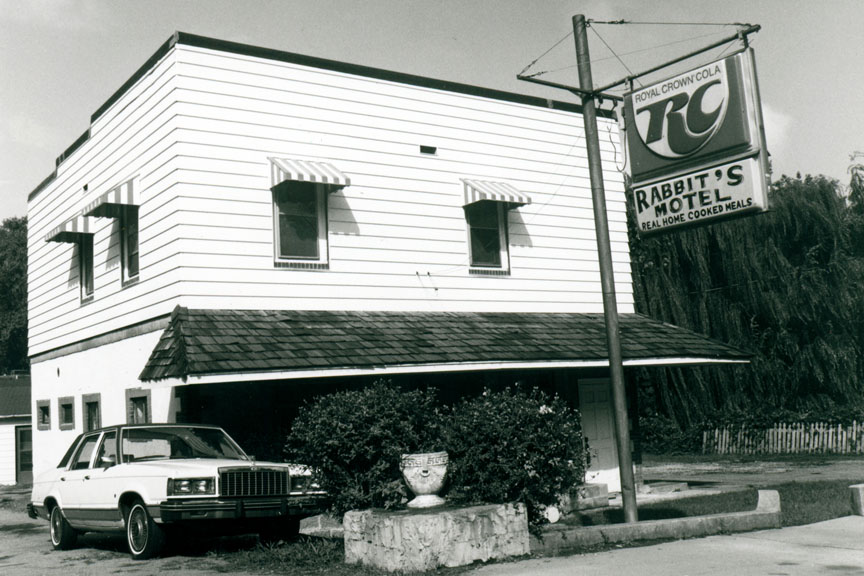
Rabbit’s Motel
55 years of history
Opened in 1947 by Fred “Rabbit” Simpson, Rabbit’s Motel and Cafe was a crown jewel of Black-owned Tourist Courts for African-American travelers in the segregation-era South, providing lodging and good home cooking to the Negro Baseball League, chitlin’ circuit band members, Black sports figures and other African Americans traveling through Asheville. It was an $89,000 business upon opening and featured an indoor dining room fountain, state-of-the art boiler, curb-side service, wide brick-trim columns topped with sculpted vases and modern room furnishings of the time.
Most of the larger Black bands and entertainers stayed at the James-Keys Hotel, originally the Booker T. Washington, a Black-owned ballroom/venue, hotel and apartments, and billiards floor on Depot St.
“Besides the above mentioned conveniences at Rabbit’s Tourist Court there are others too numerous to mention. All of these together, however add up to make one of the finest tourist courts in the South for Negros.”
ASHEVILLE CITY PRESS RELEASE, 1948
RABBIT’S MOTEL GUESTS
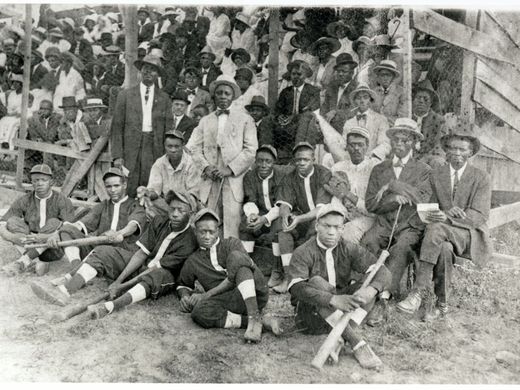
The Negro Baseball League (Pictured The Asheville Royal Giants)
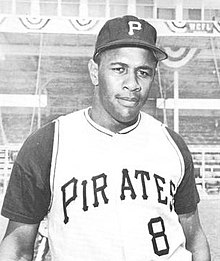
Willie Stargell
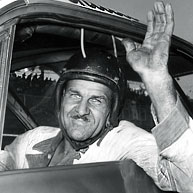
Wendell Scott
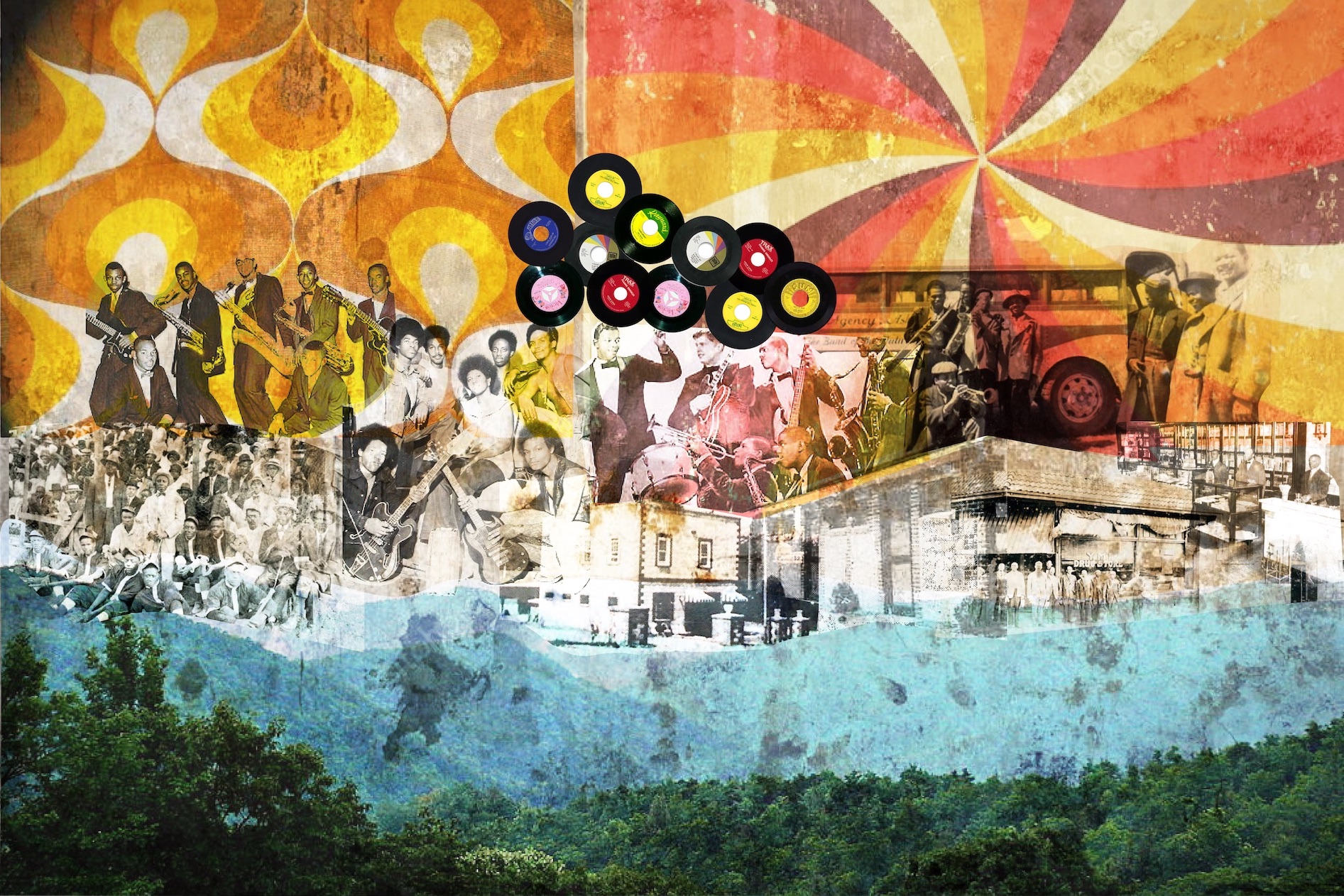
LOST COMMUNITIES OF BLACK PROSPERITY AND IDENTITY
Rabbit’s Motel sat in the heart of Southside, a historically Black community that was connected to a network of other early Black-Asheville residential and business communities.
Southside held a vital business and entertainment sector as much as The Block downtown, a center of Black commercialism and one of the largest black-owned business districts in the South. The Block was adjacent to East End, home of Stephans-Lee High School, the only public African-American school in Western North Carolina, which was taught with University professors from around the country.
Southside was a mix of businesses ranging from funeral homes and drive-in diners, and held an entertainment hub of hotels and bar-clubs frequented by chitlin’ circuit touring groups as well as the thriving local music scene of Black musicians and bands.
Municipal neglect to these communities allowed widespread blight, which created the The practices of Urban Renewal upended these historic communities over a period of 30 years. Entire neighborhoods were removed, roads were redrawn. Communities and their sense of belonging and connection were dismantled. In just the East Riverside area alone: “we lost more than 1,100 homes, six beauty parlors, five barber shops, five filling stations, fourteen grocery stores, three laundromats, eight apartment houses, seven churches, three shoe shops, two cabinet shops, two auto body shops, one hotel, five funeral homes, one hospital, and three doctor’s offices.” (Reverend Wesley Grant)
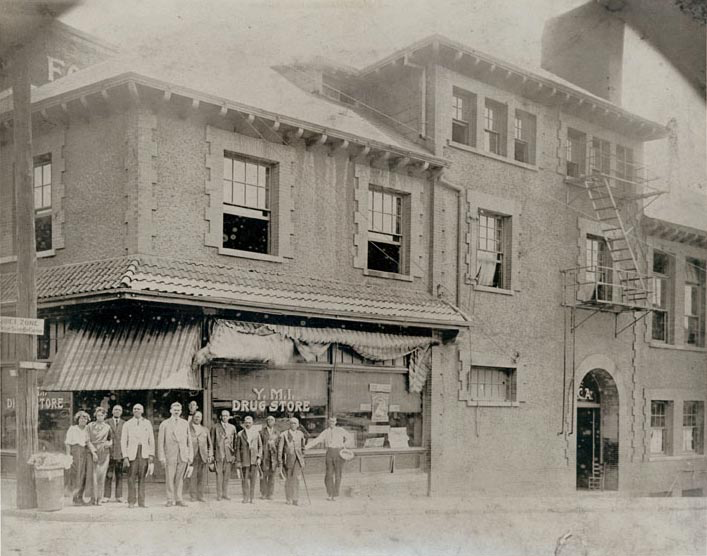
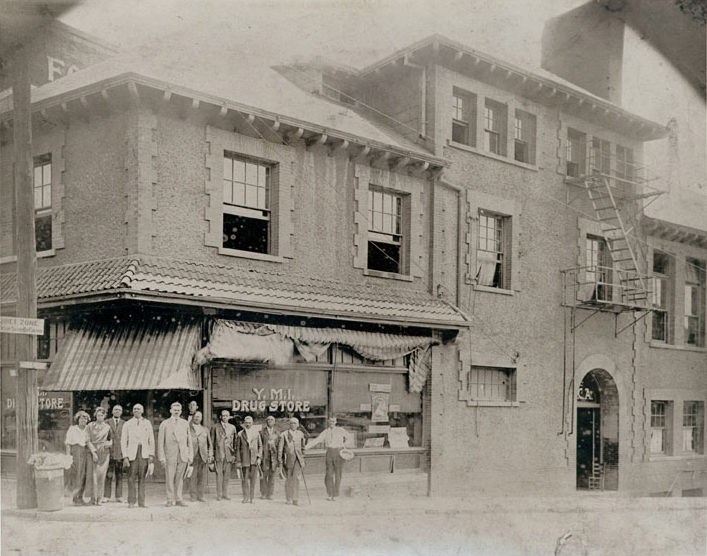
YMI Cultural Center| A center of of civic, cultural and business for Asheville’s Black community founded in 1893, it is the oldest African American institution of its kind.
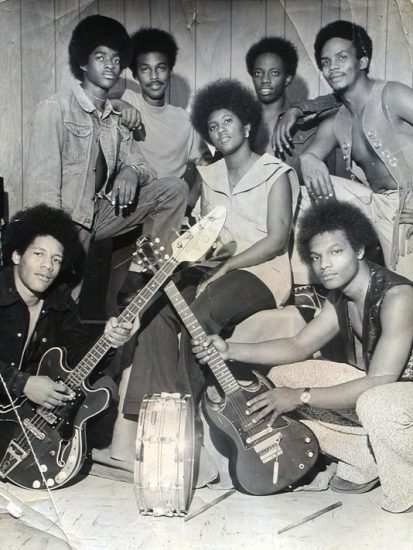
The Outcasts – NC Battle of the Bands winner, 1979, named number one R&B, Soul and Top Forty band in North Carolina. (kneeling l to r) Edward Stout, saxophonist; Darriel Jones, drummer; (seated) Patricia McAfee, vocalist; (standing l to r) Marvin Seabrooks, trombonist; Mike Steele, saxophonist; Mike Miller, lead guitarist; and Jay McDowell, bass. (Photo, Henry Robinson).